Genital Herpes
Genital herpes infection is one of the most common STDs that is responsible for painful ulcers over the genital region. The prevalence of herpes infection is high, commonly with one being asymptomatic or unaware of their infective status, yet spreading the disease to their partner(s) unknowingly. The viral infection is most spreadable through skin-to-skin contact during active outbreaks, though one can still be contagious through viral skin shedding even if one is without any symptoms.
The incurable nature of the disease, the unpredictable pattern of disease, the recurrence of symptoms, and the great social stigma of having genital herpes can result in detrimental emotional and psychosocial distress in the infected person and relationship strains.
Relationship Implication of Genital Herpes
The diagnosis of genital herpes can bring in its wake an overwhelming emotional storm. One can feel disbelief and denial, fear, anger, or even depression following confirmation of a person's diagnosis. Why me? This is incurable! How am I going to continue my life? How am I going to continue my relationship with the person(s)? How am I supposed to tell him/her?
One may be in a dilemma in breaking the diagnosis to their current or future sexual partner(s), or unwilling to go into any future sexual relationship due to concern of passing the disease to others.
While there are no simple solutions or approaches to handle such circumstances, this article strives to make the discussion on herpes diagnosis easier among couples. Do read on.
When and How to Disclose to My Partner If I have Genital Herpes
The conversation with one's partner(s) following diagnosis of genital herpes is never easy. There is no standard proforma that suits everyone, though the general rule of thumb when breaking the news of genital herpes to a partner is having an open and honest discussion.
Avoid rushing into breaking the news, or being 'knee-jerk' reflexively wanting to inform your partner of your diagnosis. Find a suitable time and place when both are not mentally heightened at baseline for a proper conversation.
Conversation about genital herpes should be two-sided and open. It is normal for you or your partner to have numerous questions/ life scenarios that run through your minds, and you aren't too sure what the best way forward is. While social media and the internet nowadays have a great amount of medical information, it is best to read from reliable sources and double-check with your health care professional to avoid misinformation and unnecessary anxiety.
Conversation should focus on a solution-based rather than an accusatory state. While it is common for couple(s) wanting to know the source of infection (either from this person or that), in the real world, often one may not be able to find out the actual source of infection. Rather than being overwhelmed with 'who-infected-who', channel the discussion towards how to utilize the current understanding of the disease to better protect and reduce further risk of outbreaks and transmission.
One should also steer the conversation towards encouraging both ends to get medical (sexual checkup) to ensure no occult asymptomatic STDs are present. This will allow prompt treatment and eradication of STDs and prevent further spread of infection.
Can I Choose Not To Tell My Partner That I Have Genital Herpes?
Although this can be a sore point initially during disclosure with your partner, informing your partner of your recent genital herpes diagnosis not only helps with long-term trust in the relationship; research has shown that couples' awareness of genital herpes infection reduces transmission of genital herpes in discordant couples.
By being aware of one's genital herpes, couples can take necessary precautionary steps to reduce transmission of disease among each other.
Besides, one may be surprised that during the disclosure, your partner may even let you know that they are aware of their own status of past herpes viral infection. So it may be less intimidating than we have imagined!
What Should I Do If I Have Genital Herpes?
If you are diagnosed with genital herpes, you should take a course of antiviral early to shorten the duration of the outbreak symptoms. You can consider discussing antiviral suppressive medication treatment if there is concern of recurring outbreaks and transmission of herpes to sexual partner(s).
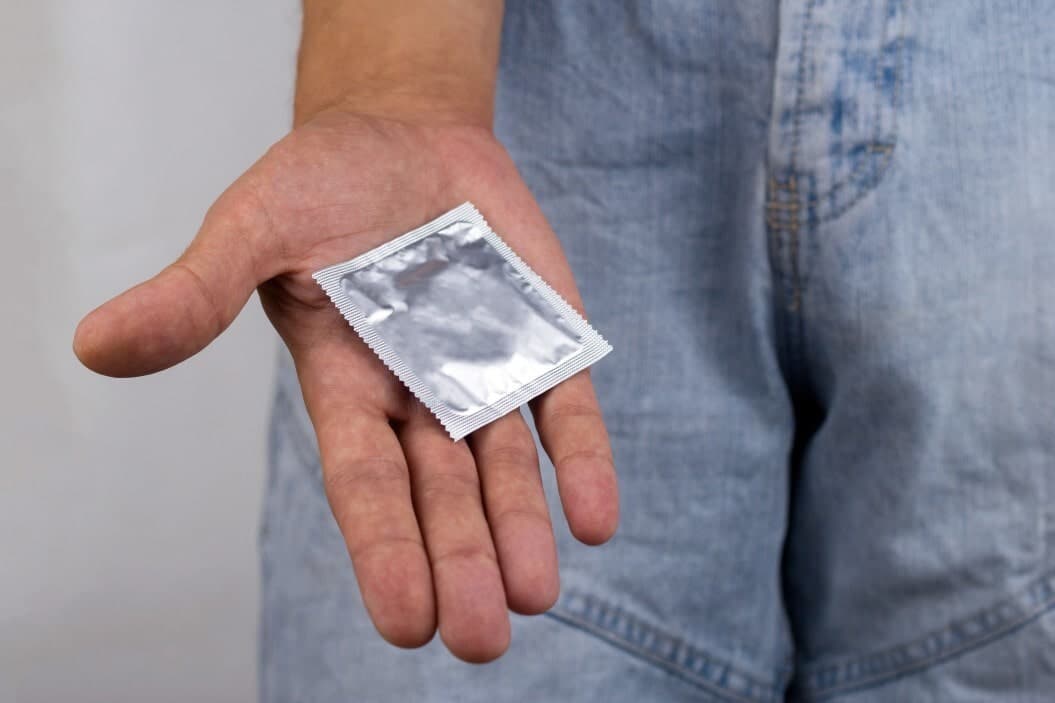
During outbreaks, absolute abstinence is key in preventing transmission of infection to others. While barrier protection such as condoms and dental dams reduces the risk of transmission, there is still a risk of disease transmission even if one is without any symptoms. Consider screening for other STDs, as having genital herpes increases the risk of acquiring other STD infections, including HIV.
What Should My Partner(s) Do If I Have Genital Herpes But He/ She Does Not Have?
You and your partner should avoid having intercourse while you are still having a herpes outbreak (from the moment of tinkling/ itching of the affected area to scabbed). Avoid any skin-to-skin contact; avoid oral, vaginal, and anal intercourse.
When there are no active cold sore symptoms, one should consider safe sex methods such as barrier protection with condoms, though this is not foolproof either, and one can be asymptomatically shedding the virus to partners unknowingly.
If your partner(s) has other sexual partners (current or before), he or she should consider getting tested for STDs if this has not been done.
Reading up and understanding genital herpes from reliable sources are important to minimize relationship friction, unnecessary anxiety, and social stigma. It is important to know that herpes is a manageable condition even among sexual partners.
You can discuss suppressive antiviral medication to help reduce the risk of viral transmission. Contact us about the most appropriate treatment options for you.
What If My Partner Has Genital Herpes?
While precautionary measures reduce the risk of transmission of herpes between couples, the risk cannot be eliminated. Thankfully, most couples can manage the herpes condition successfully in the long run. It is imperative to understand that a herpes viral outbreak can be a nuisance and cause inconvenience, though it generally does not pose serious health complications. Learning about herpes from the right sources and having open communication with your partner is vital in overcoming the concerns about herpes in a relationship.
Taking Control of Your Sexual Health
Although genital herpes is a lifelong infection, it is a manageable condition. With the right medical care, healthy communication, and practical steps to reduce transmission, many people continue to enjoy fulfilling relationships and healthy intimate lives.
If you have concerns about genital herpes, recurrent outbreaks, protecting your partner, or whether you should be tested for other sexually transmitted infections, seeking professional medical advice can help you make informed decisions about your health.
At Dr Ben Medical, we provide confidential consultations, comprehensive STI screening, herpes testing, treatment, and personalised advice to support your sexual health. Contact us to schedule a consultation.
Afterwords...
While the topic of genital herpes may seem a bummer and difficult hurdle in many couples, all relationships face various challenges, some even more tumultuous than herpes. Ultimately, the sink or swim of a relationship relies a lot on understanding, trust, communication, and willingness to iron things out together.
References:
- Bennett C, Rebafka A, Carrier J, Cook S, Edwards D. Impact of primary and recurrent genital herpes on the quality of life of young people and adults: a mixed methods systematic review. JBI Evid Synth. 2022 Jun 1;20(6):1406-1473. doi: 10.11124/JBIES-21-00057. Erratum in: JBI Evid Synth. 2024 Jun 01;22(6):1205.
- Newton DC, McCabe MP. Sexually transmitted infections: impact on individuals and their relationships. J Health Psychol. 2008 Oct;13(7):864-9. doi: 10.1177/1359105308095058.
- Bickford J, Barton SE, Mandalia S. Chronic genital herpes and disclosure.... The influence of stigma. Int J STD AIDS. 2007 Sep;18(9):589-92.
- Drob S, Loemer M, Lifshutz H. Genital herpes: the psychological consequences. Br J Med Psychol. 1985 Dec;58(4):307-15.