Introduction
Chocolate, one of the ubiquitous indulgences of the world, comes from cocoa beans. The main composition of chocolate is cocoa. As the original taste of coca is bitter, chocolate is processed with additives and sugar to make it sweet and palatable. Chocolate ingredient/ flavor can be found commercially in many types of food and even in skin care products.
In this article, we want to understand on the positive and negative effects of chocolate on our skin.
What is so good about chocolate?
Chocolate is a good source of nutrients and vitamins. It is packed with polyphenols and flavonoids which are powerful anti-oxidants, anti-free radicals, with anti-inflammatory properties. These antioxidants play a role in protecting our body against cardiovascular diseases, diabetes, improve cognitive function and even reduce the risk of malnutrition.
Interestingly, chocolate flavor can be found in skin products such as moisturizer, butter cream and lotions, organic soaps or even make up products. Research studies have shown with the anti-oxidant effect, chocolate in skin product has potential in improving the skin hydration and elasticity, reducing wrinkles and combat against sun damage and ageing.
Relationship between chocolate and skin disease
Chocolate and acne
This is a key question to most adolescent or even adults suffering from acne and have an irresistibility for chocolate. There is an association between acne exacerbation and consumption of chocolate.
The content of chocolate, made up of cocoa, saturated fats, also fortified with sugar, milk, additives, made chocolate to have a high glycemic index. High glycemic index food has the ability to push up our blood glucose quickly, and drop down the level speedily, causes fluctuation of our serum glucose, energy level and plays a role in our long term health.
At the same time, the high glycemic index value of chocolate also
- promotes inflammation,
- causes sebum production,
- increases breakdown and turnover (desquamation) of skin corneocytes cells,
- increases formation of comedones and
- encourages the growth of skin bacteria (gram negative bacteria)
All these predispose one towards having acne.
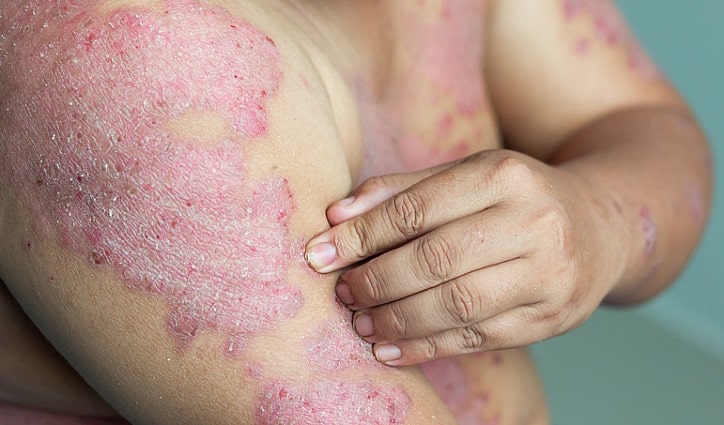
Chocolate and eczema
- Atopic Dermatitis
In active breastfeeding infants with persistent or recalcitrant eczema, one may wish to evaluate the breastfeeding mother’s diet. It has been reported that in those infants undergoing exclusive breastfeeding, mother who consumes chocolate may result in new onset or exacerbation of atopic dermatitis in the baby.
- Contact Dermatitis
Contact dermatitis to chocolate can occur due to a mineral found in chocolate- nickel. Nickel can also be found in jewelries, watches, earrings, belts and buttons of our daily accessories. In those susceptible individuals, consumption of chocolate and concurrent skin contact to nickel products can result in sensitization against nickel and result in an allergic rash known as allergic contact dermatitis.
Nickel proteins can be passed down through breastmilk to the infants. Hence, in some infants, whereby the mother consumes chocolate, the baby's immune system can be triggered and sensitized towards nickel, causing an allergic skin rash response in the child.
Similar concept reaction is seen in those with nickel hypersensitivity who use chocolate/cocoa-based moisturizer, soap, leading to development of contact dermatitis.
Chocolate and Allergy
Allergy to chocolate can occur, though true allergy to cocoa is less common. Having said that many cases of ‘chocolate allergies’ are self-reported, and may result from allergy with other cross-allergens such as nuts and milk that can be present in the chocolate.
The common allergen/ingredients that are present inside a chocolate that can cause allergy in chocolate include:
- Nickel/lead metal
- Theobromine
- Caffeine
- Polyphenols
Chocolate tends to have additives or fortified ingredients such as nuts, almonds, hazelnuts, milk, tree-nuts, vanilla that can also result in allergy symptoms.
One can acquire chocolate allergy symptoms via:
- Maternal breastmilk transfer
- Consumption of chocolate directly
- Skin contact or inhalation of chocolate particles
Once the ‘chocolate’ allergen is in contact with the body’s immune system, the immune system recognizes the allergen. Over time, with repeated exposure to the same allergen, the body will mount an allergic inflammatory response against chocolate leading to manifestation of allergic symptoms.
As an unusual route of developing chocolate allergy, there are reports of confectionary workers due to repeated exposure to chocolate particles- via skin contact or inhalation, progressively developing atopic symptoms such as allergic asthma.
Also, due to cross-reactivity of vanilla (in chocolate) and Balsam of Peru (found in perfume and fragrance), those with fragrance allergy can have concurrent allergy to chocolate as well.
Common Symptoms of Chocolate Allergy
| Body Parts | Allergy Symptoms |
| Gut | Nausea, Vomiting, Abdominal pain, Bloatedness, Diarrhea |
| Skin | Itching, Eczema, Hives |
| Breathing | Snuffy nose, Watery, itchy eyes, Breathing difficulty, Shortness of breathing, wheezing |
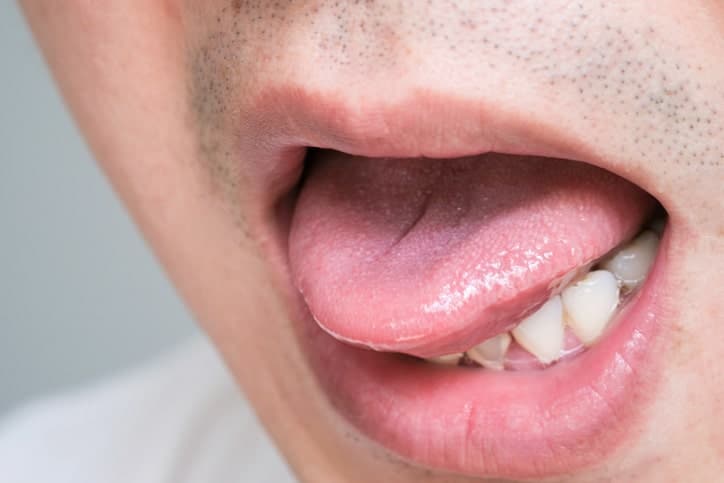
| General(Anaphylaxis) | Facial swelling, lip/mouth/tongue swelling, Tongue closing/tightening, dizzy, fainty |
In the case of anaphylaxis: a type of life-threatening severe form of allergic reaction, one should seek medical attention immediately as one can succumb to the allergy if treatment is delayed.
If you experience any of the above symptoms suggestive of allergy, do seek medical assistance with your healthcare provider for proper allergy treatment.
How can I find out whether I am allergic to chocolate?
A strong history of correlation between exposure to chocolate and allergy symptoms is suggestive of chocolate allergy.
This can further be confirmed with laboratory RAST test and skin prick test which both can be offered safely in outpatient setting.
What is the treatment for chocolate associated dermatological conditions?
If chocolate is found to be the contributing factor to the skin condition, omitting and reducing exposure via consumption or direct contact with chocolate can be beneficial.
Depending of the skin condition,
- Medication in the form of cream/ointment or tablets may be offered.
- In acne, anti-acne cream/ointment may be given in mild cases. In more severe cases, your doctor may discuss oral tablets in managing the acne.
- In allergy, steroid and anti-histamines remain the key backbone treatment of symptoms.
- In the event of anaphylaxis, immediate treatment with adrenaline is key in reversing the allergy.
Take home message…Is Chocolate Worth the indulgence and Craving?
- Chocolate has known health benefits. It is packed with nutrients. It also has antioxidant and anti-inflammatory properties to our body.
- Chocolate is also associated with dermatological inflammatory conditions such as acne, eczema, contact dermatitis, allergic and atopy diseases.
- Skin inflammatory conditions can also be triggered by cross-contamination and cross-reactivity of other added ingredients found in chocolate.
- Persistent inflammatory skin conditions especially in infants warrant a review of the infant's daily food consumption and mother's diet if the infant is still actively breastfed.
- In those susceptible individuals with possible allergy to chocolate, laboratory RAST test and skin prick tests can be useful in diagnosing underlying allergy.
Skin reactions from chocolate or other triggers can be confusing and frustrating, but professional guidance can provide clarity. At Dr Ben Medical, we focus on helping patients manage allergies with care and evidence-based treatments. If you’re ready to learn more about your options, book a consultation with us!
References:
- Daszkiewicz M, Różańska D, Regulska-Ilow B. The Relationship between Chocolate Consumption and the Severity of Acne Lesions-A Crossover Study. Foods. 2024 Jun 24;13(13):1993.
- Lopes JP, Kattan J, Doppelt A, Nowak-Węgrzyn A, Bunyavanich S. Not so sweet: True chocolate and cocoa allergy. J Allergy Clin Immunol Pract. 2019 Nov-Dec;7(8):2868-2871
- Sadhasivamohan A, Karthikeyan K. Chocolate and Skin: The Impact of an Insatiable Indulgence. Indian Dermatol Online J. 2022 Oct 21;13(6):806-809.
- Vongraviopap S, Asawanonda P. Dark chocolate exacerbates acne. Int J Dermatol. 2016 May;55(5):587-91.
- Caperton C, Block S, Viera M, Keri J, Berman B. Double-blind, Placebo-controlled Study Assessing the Effect of Chocolate Consumption in Subjects with a History of Acne Vulgaris. J Clin Aesthet Dermatol. 2014 May;7(5):19-23.
- Uenishi T, Sugiura H, Tanaka T, Uehara M. Aggravation of atopic dermatitis in breast-fed infants by tree nut-related foods and fermented foods in breast milk. J Dermatol. 2011 Feb;38(2):140-5.