Introduction
Penile beadings are foreign objects that are inserted just beneath the penis skin surface following an incision. These foreign bodies can be made of pearls, beads, marbles, toothpicks, plastics, glass, ball bearings, wood and etc. Penile beading implants are used to increase sexual pleasure between both parties for increased friction and sensation during intercourse.
The decision to insert penile beading implants can be persuaded by a person's sociocultural background, ethnicity, peer pressure, sexual female partner's request. To some, penile beading implant is a sign for male strength, status and power. These uncommon practice is believed to rise from ancient southeast Asia and common among the Yakuza (a transnational crime syndicate from Japan) and prisoners. A bead was inserted into the penis skin to count the years behind bars - as part of a side income, and passing time in jail. Due to geographical migration over the years, this practice is also seen in American Caribbean, prisoners of Eastern Europe, Russia, US, French Papua New Guinea, and Australia.
Understanding of Penile Beading Implants
We write and discuss about penile beading to educate and increase awareness of readers and practicing physician of this physical findings.
It is important not to confuse these physical findings with alarming medical conditions such as skin lumps (cysts, nodules, granulomas), and skin tumors (benign and malignant lesions). At the same time, the presence of penile beading should not be a red herring against other medical conditions- resulting in underdiagnoses. We also wanted to highlight that the presence of penile beading can be associated with certain health concerns- which we will be discussing further in this article.
It can be difficult for physician, let alone a lay-person to distinguish penile beading from other medical conditions. When in doubt it is always helpful to seek second opinion with your trusted physician.
Associated Health Complications and Penile Beadings
Risk of Infections from the procedure
As most of the implant insertion procedure is done in prison, or illegal settings, wound infections following the procedure is common without proper sanitization and sterilization. Skin infections such as cellulitis or even abscess can occur following improper surgical implication. In more severe cases, skin necrosis (death) over the penile insertion sites can occur. These complications will require removal of the foreign penile implant, proper medical wound debridement and antibiotics.
Risk of blood-borne diseases
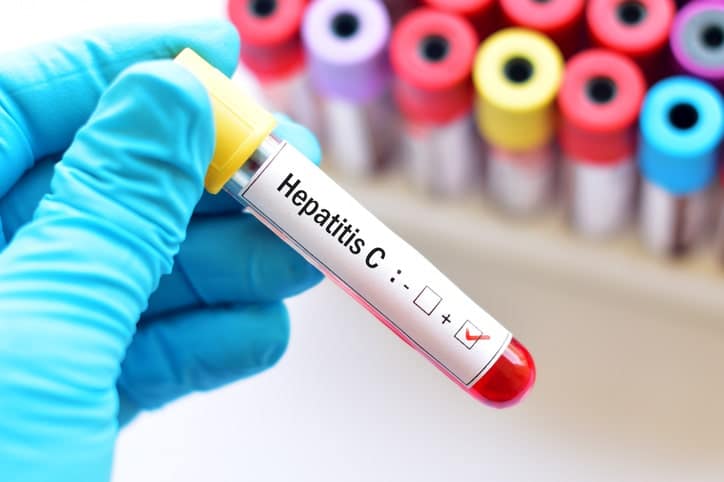
If penile implant in poor sanitized environment, one can easily contract long-term blood borne infections/ STDs such as HIV, syphilis, Hepatitis B and C infections.
Direct tissue trauma from the penile implants
Despite the main objective of penile pearls in enhancing sexual pleasure, the evidence to support this objective remains scarce. In fact, there has been reports of trauma following intercourse with penile beading, resulting in painful intercourse, vaginal erosion/ ulceration or even bleeding. Rarely, penile beadings can also be associated with painful erection, swelling, impotence, chronic inflammation or even skin cancer of the penis.
Risk of STDs and unwanted pregnancies
Penile beading is also associated with higher risk of breakage of condom. As a result, this can lead to increase in STDs and unwanted pregnancy. Also, as condom size/shape may not fit the penis with beadings, those with penile beading tend not to use barrier protection which also increases the risk of STDs.
Risk of developing bacteria biofilms and resistance
The presence of foreign body on the penis encourages bacteria biofilm, These are communities of bacteria that grow over the surface of foreign bodies and shielding themselves with a layer of protective matrix. Consequently, these bacteria are resistance towards conventional antibiotics and a person's immune system.
Potential expulsion of the penis implant
Due to improper surgical insertion of penis beading implants, these foreign bodies can be extruded out over time, resulting in open wound, injury to surrounding tissues, scarring, pain and risk of infection over the implant sites.
Association of Penile Beading Implants and STD
Penile beading itself does not cause STDs. Yet, the presence of penile beading is linked with higher risk of having STDs.
This is likely due to
Genital Injury
Genital tissue erosion, ulceration or bleeding can occur following friction with the penile beadings during intercourse. This serves as an entry point for pathogens and increases susceptibility to various infections including STDs.
Less Use of Condom with Penile Beading
One with penile beading may have difficulty finding a suitable condom to use. This leads to predisposition of non-protective sexual intercourse and increases a person's exposure to various STDs.
Breakage of Condom
Even if one does wear condom, there is a higher risk of condom breaking with the presence of penile beading. Again, this increases a person's risk of contracting STDs.
Tendency to Engage in High Risk Behaviors
Men with penile beading (due to socio-cultural influence to certain extend) tends to have higher risk behaviors such as engaging with multiple sexual partners, casual sex workers, unprotected sex or concurrent drug abuse resulting in higher possibility of acquiring STDs.
Rare, there are medical reports of a type of skin penile cancer known as squamous cell carcinoma seen in one with penile beading. This can be related with underlying HPV infections (a type of STD) that can be acquired during intercourse. Following chronic tissue injury over the penile beading sites, and inoculation of HPV viruses during intercourse, over time, the penile skin progressively turns into malignant cells.
Key Points on Penile Implants
- Understanding and awareness of the practice of penile beading is useful for general public and primary care physicians.
- The primary reason for practicing penile beading have shifted considerably over the years from insertion as a symbol of status to arousing pleasure in sexual partners.
- Contrary to the belief, here is no sufficient medical ground to prove penile beading improves sexual effect.
- Penile beading practice carries certain health risks that range from simple wound infection, to risk of injury to partners, contracting of STDs, unwanted pregnancies to even developing skin cancer.
- Safe sex practices, additional contraception measures, regular STD screenings and careful physical examinations of the genitalia are advised to those with practices of penile beading.
Contact Dr Ben Medical
If you are considering penile beading implants or would like to better understand the associated health considerations, a professional medical consultation is an important first step. Dr Ben Medical provides discreet, clinically grounded advice tailored to your individual concerns. You may arrange a consultation to discuss your options in a safe and confidential setting. Book an appointment now!
References:
- Ratovonjanahary V, Valentin J, Amazan E, Olivier N. Penile implants, a cultural practice in the carceral milieu of French West Indies region: A case report. Indian J Dermatol Venereol Leprol. 2025;91:S63-S64.
- Harsh F, Garg H, Srivastava P, Khunger N. Penile beading in a Nepalese man with latent syphilis: A case study on cultural sensitivity in venereology. Indian J Sex Transm Dis AIDS. 2025 Jun 9;46(1):62–64.
- Vergez J, Baudot A, Epelboin L, Rabier S, Vienrendeels E, Nacher M, Lucarelli A, Bonifay T. Methods, practices, and complicationsn related to the use of artificial penile nodules within the French Guiana penitentiary. Sex Med. 2025 Apr 21;13(2):qfaf022.
- Herati AS, Lo EM. Penile prosthesis biofilm formation and emerging therapies against them. Transl Androl Urol. 2018 Dec;7(6):960–967.
- Teixeira T, Souza G, Campos R, Pena L, Hallak J, Tongu M. Penile cancer in patient with a 'Bouglou' penile adornment. J Surg Case Rep. 2014 Dec 1;2014(12):rju126.
- Flynn RM, Jain S. A domino effect? The spread of implantation of penile foreign bodies in the prison system. Urol Case Rep 2014;2:63–4.
- Loue S, Loarca LE, Ramirez ER, Ferman J. Penile marbles and potential risk of HIV transmission. J Immigr Health 2002;4:117-8.