Introduction
HIV was first picked up in 1983. Since then, over 40million lives have succumbed to HIV as of 2022. HIV is a virus from the Reoviridae family. There are 2 types of HIV infection: HIV-1 and HIV-2, with the majority of cases from HIV-1. HIV can be transmitted through body fluids, including vaginal, anal, blood, semen, breast milk, and amniotic fluid during pregnancy. HIV can be spread during sexual intercourse, vertically from mother to child during pregnancy and delivery, or through infected needles and syringes among drug users.
HIV targets a type of white cells in our body known as CD4+ T-lymphocytes, leading to destruction of the cells and weakening of a person's immune system. T-lymphocytes and other immune cells are required to safeguard a person's general health. Following progressive depletion of T-lymphocytes due to persistent uncontrolled infection from HIV, one eventually loses basic general immunity and becomes susceptible to various infections; this results in clinical manifestation of AIDS syndrome. An untreated HIV person will eventually reach a critical stage where the immune system collapses, and one succumbs to HIV-related opportunistic infections.
Stages and Natural Progression of HIV Infection?
Acute HIV infection (stage 1)
Within the first 4 weeks of HIV infection acquisition, 90% of people do experience acute seroconversion symptoms. The symptoms are frequently ignored as they are mild, non-specific, and tend to resolve on their own. Symptoms that one may experience include
- Fever
- Muscle ache
- Lethargy
- Body rash
- Headache
- Sore throat
- Lymph nodes swelling
- Night sweat
- Joint pain
- Diarrhea
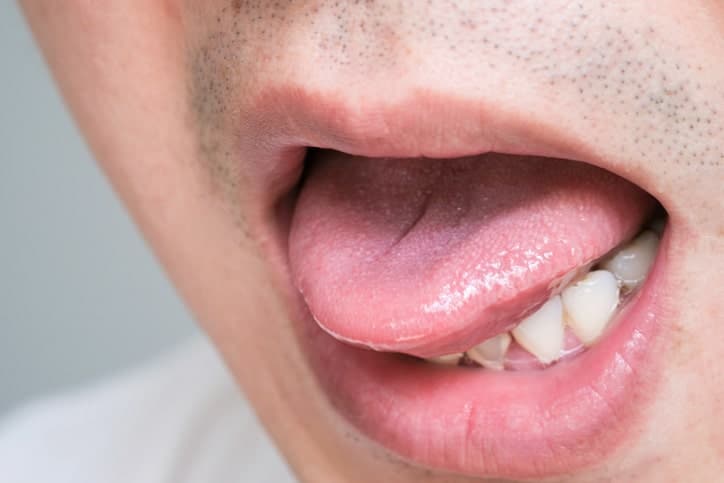
Symptoms during acute/ seroconversion of HIV resolve within 30 days from the infection. The HIV virus in the body will establish in the body a viral load/ replication individual set point. One can also develop ulcers over the mucosal region in the mouth, anus, penis, or throat region. Without HIV treatment, those with high viral load, severe and long seroconversion symptom predictably has a poorer disease outcome.
Chronic HIV (stage 1- 2)
Following establishment of HIV infection, one will progress into a long-term quiescent phase of HIV. One tends to be generally well and without any symptoms. Intermittent generalized symptoms such as tiredness and the presence of lymph nodes may occur. One may also experience common infections such as repeated respiratory infections, recurring yeast infections of the mouth and vagina, herpes viral infection, shingles, molluscum contagiosum viral infection, or even skin inflammatory conditions such as seborrheic dermatitis.
One who is in this stage of infection may also have moderate unintentional weight loss (<10% of body weight).
The chronic stage of HIV can last from years to decades if a person did not seek medical treatment.
AIDS (HIV Stage 3-4)
If HIV is left untreated or not controlled adequately, one will eventually develop AIDS, whereby the affected individual is susceptible to various opportunistic infections due to significant depletion of lymphocyte cells (immune cells) in the body and collapse of the body's innate immune system against external pathogens. Although CD4+ lymphocyte counts are not diagnostic of the stage, patients with AIDS tend to have a CD4+ count less than 200 cells/mm3.
How long can a person be symptom-free, living with HIV untreated?
One can potentially be symptom-free for years and decades. Occasionally, they may have non-specific infections that one may attribute to occasional flu/ under the weather. However, being symptom-free does not mean the HIV viral load is under control. One can be fairly well, with high HIV viral load and high risk of spreading the infection to their loved ones. Furthermore, the high viral load will progressively and insidiously destroy the immune cells until a point where the person will start to manifest various infective symptoms as the body is no longer able to ward off infection any further.
Concerned about possible HIV exposure or symptoms? Contact Dr Ben Medical to discuss your concerns and available HIV testing options.
HIV Health Complications
Eventual complication of untreated HIV infection: opportunistic infections. These are infections that occur in those with a compromised immune system, such as people living with HIV. Due to progressive depletion of the immune system, one with untreated HIV will eventually develop infections from bacteria, fungi, viruses, or even parasitic pathogens affecting various body organs- the skin, lungs, gut, brain, eyes, etc. Conditions such as tuberculosis, recurring pneumonia, shingles, cytomegalovirus of the eyes, candidiasis fungal thrush over the mouth and esophagus, and toxoplasmosis of the brain may occur in untreated HIV.
Due to chronic inflammation and weakening immunity from HIV, unmanaged HIV infection predisposes the affected person to various cancers such as
- HPV (Human Papillomavirus) related cancers- cervical cancer, anal cancer, neck/throat cancer
- Lymphomas and brain cancers
- Skin-related cancers- Kaposi's sarcoma
Those who are living with HIV have a higher risk of developing health complications such as cardiovascular diseases (heart attack, stroke), kidney and liver diseases, neurological and cognitive disorders, and bone diseases. Simultaneous infections such as chronic hepatitis B and C infections are frequently seen in those with HIV infection. Predisposition towards mental disorders such as depression and anxiety is common in those with HIV due to the chronicity and bleak outlook of the disease, social stigmatization of HIV, and possible concurrent sexual/drug abuse history.
Why does early diagnosis of HIV matter?
Diagnosing HIV infection early is imperative to start antiretroviral therapy (ART), control the viral infection, reduce the initial viral load set point to as low as possible, and thereafter prevent further destruction of the immune system and maintain immune function. This prevents the progression to AIDS. Studies have shown that a person with HIV who is managed adequately with ART is able to live a good quality of life and near-normal life expectancy as a person without HIV.
With an early diagnosis of HIV
- We can take necessary precautionary measures to reduce transmission to other sexual partner(s) or family members
- Reduces long-term health complications associated with HIV infection
- Avoid eventual progression to AIDS
- Reduces fatality rate due to HIV
- By knowing our status, we are able to seek proper counselling and social support for both ourselves (infected person) and family members to make informed consent decisions on future heath/social matters such as relationships and future fertility
When and Who should get HIV tested?
The CDC advises anyone between the ages of 13 and 64 to get tested for HIV at least once as a routine health check. If you have more than 1 sexual partner or had sex with someone with an unknown sexual history, you should get tested more often. For those who are over the age of 64, your doctor may advise HIV testing based on your exposure risk factors.
You should consider getting an HIV test if your last HIV test was more than a year ago and was negative AND you have the following:
- You have sexual intercourse (vaginal and anal) with someone who has HIV
- You have more than 1 sexual partner since your last HIV test
- You have paid for sex/ drugs
- You are a recreational drug user - using injectables/ needles/ syringes
- You are diagnosed before or treated for another STD
- You are diagnosed or treated for hepatitis or TB
In a pregnant person, blood-borne related STDs including HIV testing should be offered during prenatal follow-up.
How can I test for HIV?
A person is infected with HIV when there is an established presence of viral antigen in the bloodstream and antibodies against the virus (antibodies are proteins that are produced in an attempt to fight the virus). HIV tests aim to detect the presence of HIV antigen-antibodies.
HIV can be screened conveniently through
- Blood test - Laboratory blood sampling is the conventional method; it takes longer than a rapid test to obtain results.
- Rapid test kits - By using oral mucosal fluid or a peripheral blood sample from a finger prick, HIV infection can be screened within 20 minutes.
If the screening test is reactive/ positive, a subsequent confirmatory laboratory test will be performed.
It is imperative to check with your healthcare provider on the window period for the HIV test that you are opting for, as different HIV tests may have different window periods. This can affect the reliability of the test results.
You may reach out to our clinic for further enquiry on HIV screening.
If I have HIV, how can I live with HIV today?
Following medical advancements through the decades, effective antiretroviral therapies (ART) are medically proven to control HIV infection, preventing progression to AIDS.
Although there remains no cure to HIV, ART are proven to control HIV viral infection, preventing and minimizing HIV-related complications and opportunistic infections.
Today HIV is no longer a death sentence. Rather it is deemed as a manageable chronic medical condition. One with HIV can still live a long, fulfilling and healthy lifespan with good quality of life.
The key message for HIV is: For better HIV outcome, do screen HIV early, diagnose HIV early, treat and manage HIV early.
Have questions about HIV testing or your HIV risk? Our medical team can provide further guidance based on your individual circumstances.
References:
- Jaqua EE MD, MBA, DipABOM, Tran MN MD, DipABLM, DipABOM, Bhat P MD, MPH. HIV-Associated Complications: A Systems-Based Approach. Am Fam Physician. 2026 Jan;113(1):71-79.
- Swinkels HM, Nguyen AD, Gulick PG. HIV and AIDS. 2024 Jul 27. In: StatPearls [Internet]. Treasure Island (FL): StatPearls Publishing; 2025 Jan–. PMID: 30521281.
- Chéret A. Acute HIV-1 Infection: Paradigm and Singularity. Viruses. 2025 Mar 3;17(3):366. doi: 10.3390/v17030366.
- Bekker LG, Beyrer C, Mgodi N, Lewin SR, Delany-Moretlwe S, Taiwo B, Masters MC, Lazarus JV. HIV infection. Nat Rev Dis Primers. 2023 Aug 17;9(1):42. doi: 10.1038/s41572-023-00452-3. Erratum in: Nat Rev Dis Primers. 2023 Sep 11;9(1):48.
- US Preventive Services Task Force; Owens DK, Davidson KW, Krist AH, Barry MJ, Cabana M, Caughey AB, Curry SJ, Doubeni CA, Epling JW Jr, Kubik M, Landefeld CS, Mangione CM, Pbert L, Silverstein M, Simon MA, Tseng CW, Wong JB. Screening for HIV Infection: US Preventive Services Task Force Recommendation Statement. JAMA. 2019 Jun 18;321(23):2326-2336.