Typical Scenario
Following a sexual encounter, one can be plagued with feelings of negativity and worries of possible contracting STDs. Due to these negative emotions and thoughts, one began to monitor for any possible tell-tale signs and symptoms of STDs.
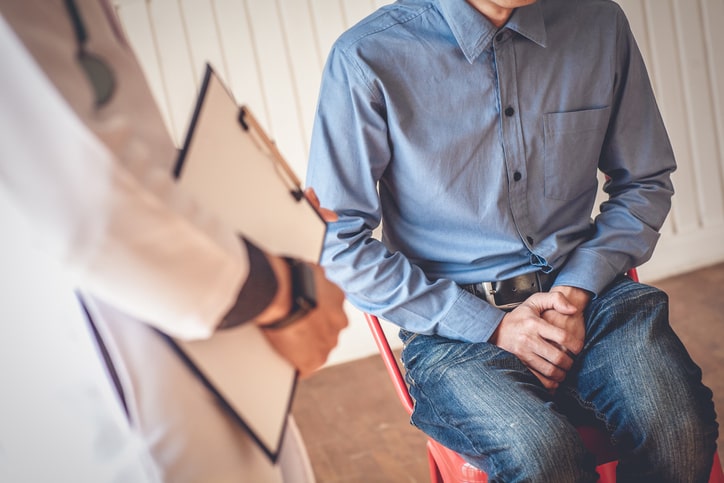
One may present with various genital symptoms- rash, lumps or bumps, urinary symptoms, fever and attempt to link symptoms with STD infections. The person also becomes a frequent attendee in STD clinic with repeated queries of symptoms and concerns, repeated requests for screening tests for any possible infections due to the un-resolving and pathological vicious cycle of fear.
Less commonly, one may also reach out to STD clinic or dermatological clinic due to rashes or inflamed skin over the genitals or the palms following repeated washing and cleaning in hope of not contracting STDs.
Perhaps, this may sound familiar to some of our readers. This article is written with the objective to highlight this condition, increase awareness of venerophobia, encourage those who are suffering with such condition to seek appropriate professional assistance. You are not alone, with suitable guidance and patience, overcoming venerophobia is possible.
Introduction
The intense, irrational overwhelming, heightened, distressing fear and anxiety of contracting STDs following a sexual exposure(s) is known as venerophobia. (Venereal disease means sexually transmitted diseases). This can occur to anyone, and does not necessarily mean a person has underlying 'psychiatric disorder', though venerophobia and mental disorder can occur simultaneously. While venerophobia is not a life-threatening medical condition, it can weigh heavily upon a person's mental wellbeing, paralyze a person's daily routine.
Presentation Symptoms of Venerophobia
One with venerophobia can present with clinical symptoms such as
- Lumps and bumps over the genital region
- New rash on the genital or body
- Involuntary discharge of semen when passing motion or urine
- Lethargy
- Dizziness, dry mouth, palpitation, tremor
You may notice the similarities of venerophobia presentation symptoms with actual STD-related symptoms, hence the anxiety! Thankfully, one can tease out the concerning symptoms via seeking professional advice with their healthcare providers, in some cases, tests may be required to confirm or rule out certain STDs.
Venerophobia is more common in male than female
While venerophobia can occur in both men and women, it is more prevalent in male due to the below reasons:
- Signs and symptoms of STDs can be more prominent and noticeable in male
- As anatomically the male genital is exposed externally (compare to woman - genitalia is more internalized), one can physically view or check on the genitalia more conveniently
- In comparison to female, men generally are more likely to admit to sexual encounter histories due to socio-cultural upbringings.
How can we approach and tackle Venerophobia?
Merely reassuring a person with venorophobia that everything is okay is insufficient and this is likely going to fail in appeasing the distressed person.
Management of venerophobia requires patience, proper reasonable clinical advice without unnecessary fear-mongering, behavioural counselling and regular follow up to progressively manage the phobia and negative thoughts of the affected person.
As the underlying fear stemmed from concern of contracting STDs, STD testing tailored to the person's exposure risk and symptoms is beneficial in overcoming verenophobia.
When tackling venerophobia, it is useful to discuss with your healthcare providers on:
- Your exposure to possible STDs
- Symptoms that may be associated with STDs
- Timeline from exposure to surfacing of symptoms
- Explore with your doctor which STD tests to consider in view of your exposure risk
- Check with your doctor whether there are any proactive measures that you can take to minimize your risk of contracting STDs even if it is the 'aftermath' of exposure. (ex. Any medication or vaccine one can take to reduce risk of infection)
- Have an open communication with your doctor on 'possible risks' versus 'element of anxiety and foreboding fear'.
- Consider follow up with your doctor that you are comfortable to quench any new concerns and symptoms.
- Avoid over-researching and over-reading on social medias on STD topics. If there are any doubts on symptoms, it is best to speak to your healthcare professional that you trust.
What are the STD tests that I should consider if I have venerophobia?
Due to the crippling anxiety and fear affecting patients with venerophobia, comprehensive STD tests can be considered to address the patient's concern of contracting STDs.
Depending on individual risk of exposure and symptoms presentation, further checkup in the form of swab tests, skin dermatoscopy examination, ultrasound imaging of the pelvis and scrotum, semen screening tests may be required.
As one with venerophobia frequently experience systemic symptoms (generalized lethargy, palpitation, discomfort), your doctor may even be offered routine blood tests covering liver, thyroid and kidney function, full blood count, or heart test such as ECG.
Will I ever recover from Venerophobia?
The short answer is, YES.
In the hands of experience physician, in particular sexual health physician, one should progressively overcome the venerophobia.
However, this may not come easy to most people and will require time.
Proper counselling, patience, reasonable reassurance backed up with solid laboratory screening results are key in de-escalating anxiety and fear over time. Some concerns may be minute or 'out-of-proportion' of the situation, but they should be looked into and evaluate for, rather than purely dismissing them. In some cases, psychotherapy, cognitive behavioral therapy and psychiatry assistance may also be beneficial.
Empowering one with knowledge of sexual diseases, symptoms associated, disease(s) treatment and expectation are important in managing venerophobia as a major element of mental stress stems from partial or poorly understanding of STD pathology and health implications.
Getting the right information from your healthcare provider is vital to avoid false information and vicious cycle of negative mental thoughts.
Repeated follow-up sessions with your healthcare providers are important in coming to terms with the exposure/ STDs and progressively rebuild one's health confidence.
Final word...
Venerophobia is a snowballed, debilitating apprehension of contracting STD following exposure and further fueled by poor understanding of STD conditions. One can feel immensely helpless, hopeless and vulnerable. Seeking professional health advice is vital in breaking the vicious cycle of venerophobia. If you feel you are experiencing venerophobia, do not suffer alone and do not hesitate to reach out to your healthcare providers to manage the condition.
Contact Us
Dr Ben Medical provides consultations for individuals who may be experiencing venerophobia, offering a space to discuss concerns and explore appropriate options. You may request a consultation through our contact form.
References:
- Sakkaravarthi V, Nagendran P, Lakshmanamoorthy T, Shanmugavinayagam A, Rajagopalan R. Venerophobia- A comprehensive review. Indian J Sex Transm Dis AIDS. 2025 Jan-Jun;46(1):2-6.
- Kc S, Adhikary M, Karn D. Clinical Scenario of Venerophobia in Patients Presenting in Outpatient Department. J Nepal Health Res Counc. 2020 Nov 14;18(3):483-487.
- Chowdhry S, Jaiswal P, D Souza P, Dhali TK. Venerophobia- Sexually Transmitted Disease. JEDV. 2018; 4(1): dx.doi.org/10.16966/2473-1846.139.
- Mahajan BB, Shishak M. An approach to venerophobia in males. Indian J Sex Transm Dis AIDS. 2017 Jan-Jun;38(1):103-106.